5 Reasons Gold Pulled Back 4% from $5,598 to $5,100

Why Gold Pulled Back 4% From $5,500 to $5,100

Gold prices have been on a historic tear in 2026, smashing through multiple all-time highs amid geopolitical chaos, economic uncertainty, and a weakening U.S. dollar.

After peaking near $5,598 per ounce on January 29, the yellow metal witnessed a sharp 4% retreat, slipping toward the $5,100 level in intraday trading.
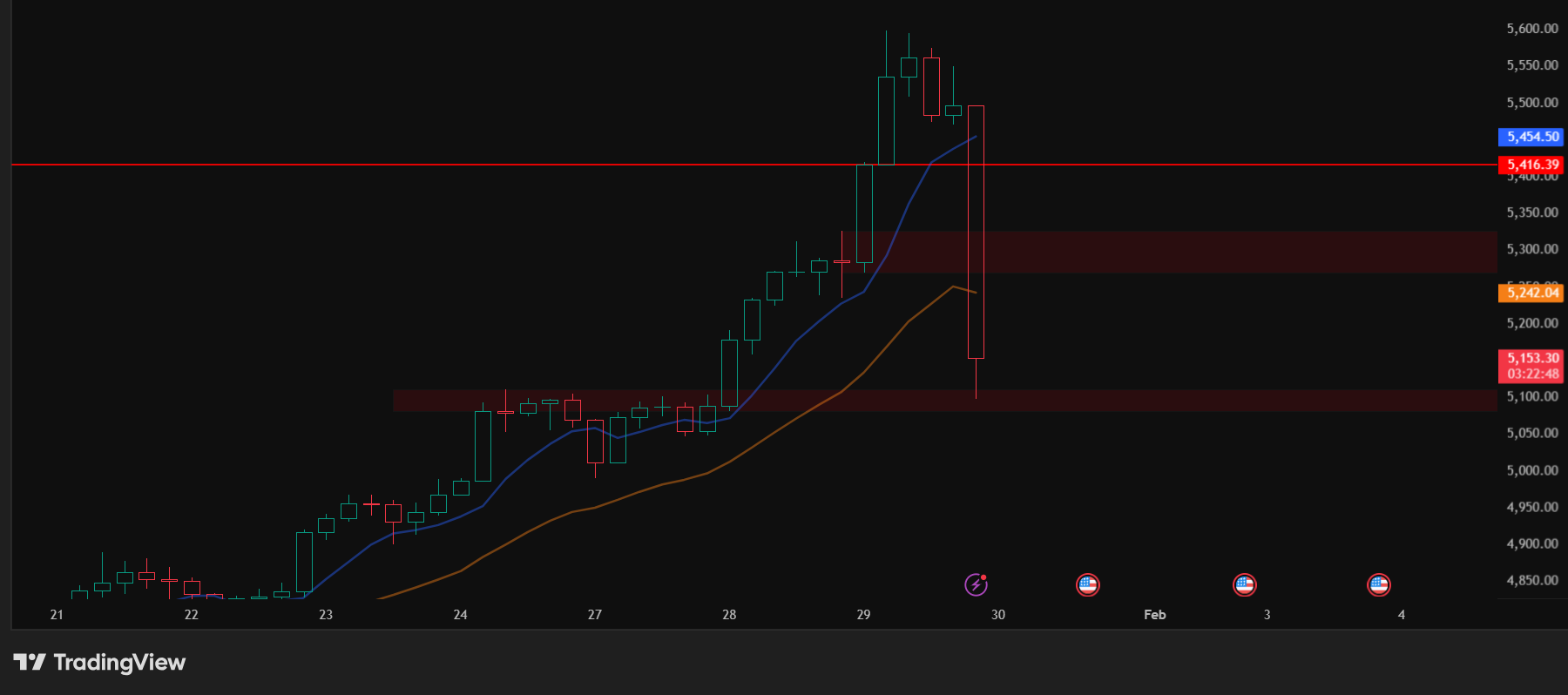
The 4% pullback from $5,500 to $5,100 appears to be a healthy correction within a broader bull market rather than a trend reversal. Long-term fundamentalsโ€”including central bank diversification, geopolitical uncertainty, and global macro risksโ€”continue to support elevated gold prices.

Such volatility is not unusual in overheated bull markets. Rapid, parabolic gains often invite corrections, even when the broader trend remains intact. While the long-term outlook for gold continues to look constructive – supported by safe-haven demand and sustained central bank buyingโ€”the recent pullback reflects a convergence of short-term pressures.

Below are the five key reasons behind goldโ€™s swift reversal.


1. Profit-Taking After an Explosive Rally

Goldโ€™s January rally was extraordinary. Prices surged more than 30% in a single month, rising from around $4,319 at the start of the year to above $5,598 at the peak. Moves of this magnitude naturally attract short-term traders looking to capitalize on momentum.

Once gold approached a major psychological level like $5,500, profit-taking intensified. Many investors chose to lock in gains, especially after gold delivered an unprecedented 64% return in 2025.

As selling began, algorithmic strategies and stop-loss orders amplified the downside, creating a cascading effect that accelerated the decline.


2. Hawkish Federal Reserve and Shifting Rate Expectations

The Federal Reserveโ€™s January decision to keep interest rates unchanged at 3.50%โ€“3.75%, combined with Chair Jerome Powellโ€™s assessment that the U.S. economy remains in a โ€œgood place,โ€ dampened expectations for near-term rate cuts.

Also Read – Fed Interest Rates vs Gold Prices โ€“ What to Expect Ahead of the September 2025 FOMC Meeting?

Gold typically performs best in low-interest-rate environments, since it does not generate yield. As markets adjusted to the possibility of fewer rate cuts in 2026โ€”amid persistent inflation and resilient growthโ€”real yields edged higher. This shift reduced goldโ€™s relative appeal and triggered a rapid unwinding of bullish positions, contributing to the sharp pullback.


3. Forced Selling From Index Funds and Market Rebalancing

January is a common period for commodity index rebalancing. Passive funds are required to adjust their holdings based on predefined rules, regardless of price trends or fundamentals. This process can result in forced selling, even during strong bull markets.

Such mechanical flows can temporarily distort prices, increasing volatility and pressuring gold lower. With banks holding sizable net short positions in paper gold, these rebalancing-driven selloffs tend to magnify downside moves, as weaker hands are shaken out and liquidity-driven declines feed on themselves.


4. Easing Geopolitical Fears and a Shift Toward Risk Assets

Goldโ€™s rally has been fueled in large part by safe-haven demand, driven by geopolitical tensions, trade conflicts, and rising global debt concerns. However, even minor signs of de-escalation can cool demand for defensive assets.

Recent indications of softer trade rhetoric and progress in diplomatic discussions have reduced immediate hedging urgency. At the same time, strong corporate earningsโ€”particularly in the technology sectorโ€”and major equity indices pushing to new highs have encouraged a risk-on environment. As capital rotates back into equities, gold often experiences temporary pullbacks.


5. Dollar Stabilization and Speculative Position Unwind

Earlier weakness in the U.S. dollar provided a powerful tailwind for gold, making it cheaper for international buyers. However, as the dollar stabilized, the traditional inverse relationship between the two assets reasserted itself.

Crowded speculative long positionsโ€”built on themes such as de-dollarization and fiat currency debasementโ€”began to unwind rapidly once macro signals shifted. While these flows can drive sharp short-term declines, they do not necessarily undermine goldโ€™s longer-term structural support.


This article is for informational purposes only and should not be considered financial advice. Investing in stocks, cryptocurrencies, or other assets involves risks, including the potential loss of principal. Always conduct your own research or consult a qualified financial advisor before making investment decisions. The author and publisher are not responsible for any financial losses incurred from actions based on this article. While efforts have been made to ensure accuracy, economic data and market conditions can change rapidly. The author and publisher do not guarantee the completeness or accuracy of the information and are not liable for any errors or omissions. Always verify data with primary sources before making decisions.
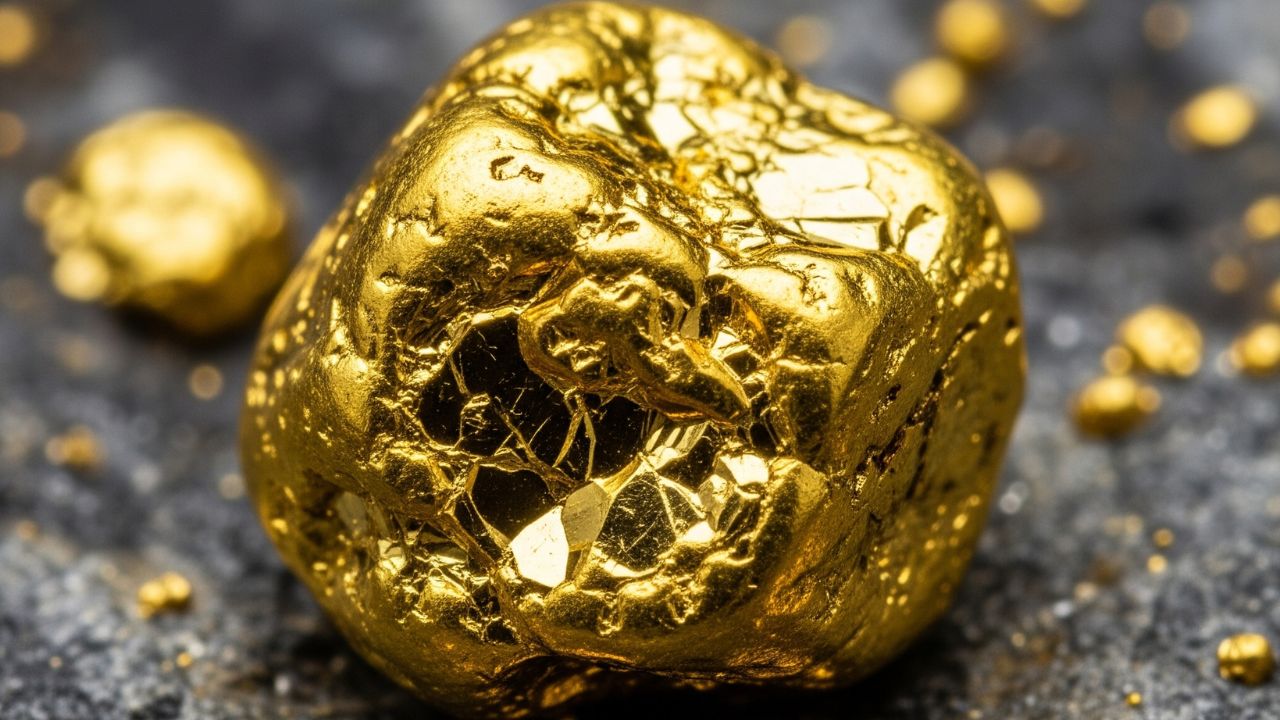
Understanding Gold (XAUUSD) Trading – A Beginnerโ€™s Guide

Gold has been valued by humans for thousands of years. In ancient times, people used it to make jewelry, coins, and symbols of power. Even today, gold is seen as a safe and trusted form of wealth. To many people, gold is not just a metal. It represents security, trust, and financial stability.

But how is the price of gold actually decided? Who decides it? And why does gold continue to hold value even in modern times? Letโ€™s understand this step by step.

Why Gold Has Value?

Gold is valuable because it is rare, durable, and universally accepted. Unlike paper money, gold cannot be printed. Unlike other metals, it does not rust or lose shine. This makes it an excellent store of value.

In addition, gold has cultural and emotional value. People buy it during festivals, weddings, and as gifts. Central banks also keep gold as part of their reserves because it builds trust in the stability of their currency.

So, gold has both practical value (it is limited and lasting) and emotional value (people trust it across cultures and generations).

History of Gold Pricing

The practice of setting a standard gold price started more than 100 years ago. In 1919, a group of five banks in London began meeting daily to agree on a single price for gold. This process was called the London Gold Fixing. At that time, it gave the world one trusted reference price for trading gold.

Over time, the system changed. Instead of a small group of banks, today the London Bullion Market Association (LBMA) manages the official global gold benchmark. The LBMA Gold Price is published twice a day in U.S. dollars, euros, and British pounds. It is widely used by banks, jewelers, investors, and central banks as the reference point for gold pricing.

This history shows how gold pricing moved from private meetings to a transparent and regulated process that the whole world can trust.


Key Institutions and How They Fit Together

The gold market is made up of several important players who together decide how gold is traded and priced:

1. The OTC Market (Over-the-Counter)

Most gold trading happens in the OTC market, which is a global network of banks, dealers, and institutions. There is no single physical marketplace. Instead, large buyers and sellers trade directly with each other.

2. The London Bullion Market Association (LBMA)

LBMA is a key institution that sets the reference price for gold twice a day (known as the LBMA Gold Price). This price is used worldwide as a benchmark.

3. Central Banks

Central banks across the world hold large amounts of gold in their reserves. They buy and sell gold to manage economic stability and to build trust in their currency.

4. Gold Mining Companies

These companies supply freshly mined gold to the market. They play a big role in how much new gold enters circulation every year.

Together, these institutions keep the gold market running and influence how its price is set.


The Primary Source of Gold Price

The primary source of gold pricing is the OTC market, where banks and institutions trade gold directly. Since these are large transactions, the price discovered in OTC trading reflects real market demand and supply.

However, the world needs a standard reference price. That is why the LBMA Gold Price is important. It is published twice daily and acts as a trusted benchmark used by traders, jewelers, and investors around the globe.

The spot price of gold reflects the current rate at which gold is being traded in the market. Reliable sources include:

  • The LBMA website
  • The World Gold Council website
  • Trusted financial platforms like Bloomberg, or Reuters

Factors That Influence the Price of Gold

The price of gold is not fixed. It changes every day depending on global events and economic conditions. Some of the main factors are:

  • Inflation: When the cost of goods rises, people turn to gold as protection for their wealth. This increases demand and pushes the price higher.
  • Interest Rates: When interest rates are low, people prefer to invest in gold instead of bonds or savings accounts, which makes gold more expensive.
  • Geopolitical Events: Wars, conflicts, or global crises make investors nervous. In such times, gold is seen as a safe place to put money, so demand rises.
  • Supply and Demand: If mining output falls or central banks buy more gold, the supply becomes tighter and the price goes up.

Global Gold Supply and Reserves

Gold is limited, and new supply comes mainly from mining. On average, about 3,000โ€“3,500 tonnes of gold are mined every year worldwide.

Apart from newly mined gold, a huge amount is already held in reserves by central banks. According to the World Gold Council, central banks together hold more than 36,000 tonnes of gold.

Countries like the United States, Germany, Italy, and India have some of the largest reserves. These reserves act like financial insurance for nations, protecting them during uncertain times.


With limited annual supply and huge reserves held by central banks, gold will always remain important in the global financial system.

This article is for informational purposes only and should not be considered financial advice. Investing in stocks, cryptocurrencies, or other assets involves risks, including the potential loss of principal. Always conduct your own research or consult a qualified financial advisor before making investment decisions. The author and publisher are not responsible for any financial losses incurred from actions based on this article. While efforts have been made to ensure accuracy, economic data and market conditions can change rapidly. The author and publisher do not guarantee the completeness or accuracy of the information and are not liable for any errors or omissions. Always verify data with primary sources before making decisions.