
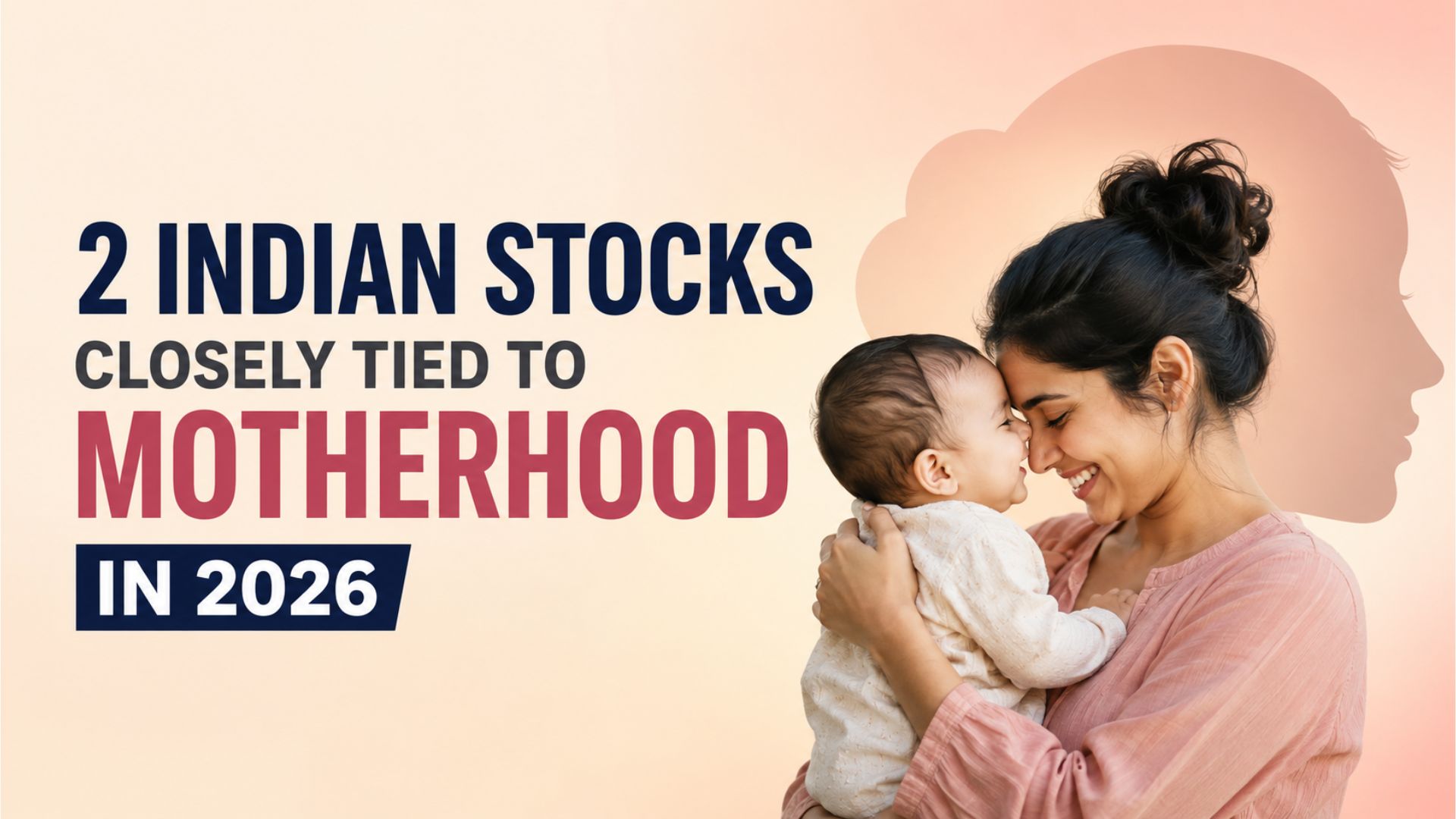
In the Indian economy of 2026, the “Mom Economy” has moved well beyond simple grocery runs. Today’s Indian mother is a discerning, digitally empowered consumer driving demand in premium healthcare, specialized retail, natural beauty, and branded nutrition. She researches before she buys. She reads labels. She compares. And brands that earn her trust tend to keep it for years.
For investors, this creates a compelling lens for stock selection. The following companies are among the primary beneficiaries of this shift in family spending – companies that don’t just sell products but manage the “trust equity” that mothers invest in them.
1. Dabur India
If Mamaearth is the brand the millennial mother discovers online, Dabur is the brand her mother and grandmother already trusted. From Dabur Lal Tail – the iconic baby massage oil used in households for generations – to Chyawanprash for family immunity and Dabur Honey in the kitchen, Dabur is deeply embedded in both the traditional and modern health choices of Indian mothers.
Dabur’s dual strength lies in its rural distribution depth and its urban health-conscious revival. A renewed focus on the rural “Mom Economy” – where Ayurvedic home remedies drive consistent repeat purchases – combined with a resurgence in urban demand for immunity and wellness products gives Dabur a uniquely balanced growth profile. It is one of the few FMCG stocks that competes effectively across both worlds without brand dissonance.
While growth is strong, the company is currently navigating ~10% inflation, which may require further price hikes to protect margins.
Also Read – Mother’s Day Special – 8 Indian Stocks That Quietly Profit From Every Mom’s Daily Decisions
2. LT Foods (Daawat)
Mothers are the ultimate gatekeepers of what the family eats – and LT Foods has understood this better than most staples brands. Its flagship Daawat brand has moved beyond commodity rice to craft a “premium Basmati experience,” positioning itself as a marker of quality and discernment in the Indian kitchen.
In a significant brand-building move in late April 2026, LT Foods partnered with KidZania India – the country’s largest indoor edutainment park – to launch an immersive “Basmati Factory” experience for children. The strategy is elegant: engage the child, earn the mother’s loyalty.
Meanwhile, the broader tailwind is substantial – India’s food processing sector is projected to reach US$535 billion by the end of FY26, according to IBEF, driven by rising consumption, export demand, and government initiatives under Make in India.
One should keep an eye on international trade policies, as the company’s global footprint makes it sensitive to tariff changes or export quotas.
In 2026, the spending decisions of Indian mothers are no longer shaped by television commercials alone. They are shaped by trust networks – paediatricians on Instagram, parenting communities on WhatsApp, and honest product reviews on YouTube. Brands that partner with authentic “momfluencers” and consistently deliver on their promises of safety, quality, and transparency are the ones winning sustained wallet share.
The common thread: people do not stop spending on babies and family health during economic downturns.
This article is written for informational purposes only. Do not consider it as any kind of investment or trading advice. Investing money in the stock market carries risk, so before making any financial decision, always consult a professional advisor. The author is not a SEBI-registered investment advisor. This analysis is based on consumer trends and publicly available data for educational purposes. The author or platform will not be responsible for any profit or loss. This platform, in compliance with the Right to Freedom of Speech and Expression granted under Article 19(1)(a) of the Constitution of India, only functions to further share publicly available company news and filings. Full care has been taken for accuracy, but complete accuracy cannot be guaranteed. For credibility, do make sure to check the original documents issued by the company, the link to which has been provided in the article.

With over 3 years of experience in financial markets, we focus on simplifying global and Indian markets through clear, practical insights. Our expertise also extends to the evolving landscape of digital finance, including blockchain, stablecoins, and decentralized finance (DeFi).