
Mother’s Day is more than flowers and breakfast in bed. It is a celebration of the person who effectively serves as the Chief Procurement Officer of the Indian household.
From the milk in the morning tea to the baby wipes in the diaper bag, a mother’s daily decisions drive an enormous portion of the Indian consumer economy.
For investors, these “mom-approved” brands represent some of the most resilient and fundamentally sound companies trading on the National Stock Exchange (NSE).
As we look at the market in 2026, here are eight Indian stocks that are quietly compounding alongside the modern Indian mother – and why they deserve a closer look.
1. Hindustan Unilever Ltd (HUL) – The Household Essential
If a mother is cleaning the house, washing clothes, or ensuring the kids are bathed, there is a high probability she is reaching for an HUL product. With brands like Surf Excel, Dove, and Horlicks, HUL maintains a commanding presence in Indian households — urban and rural alike.
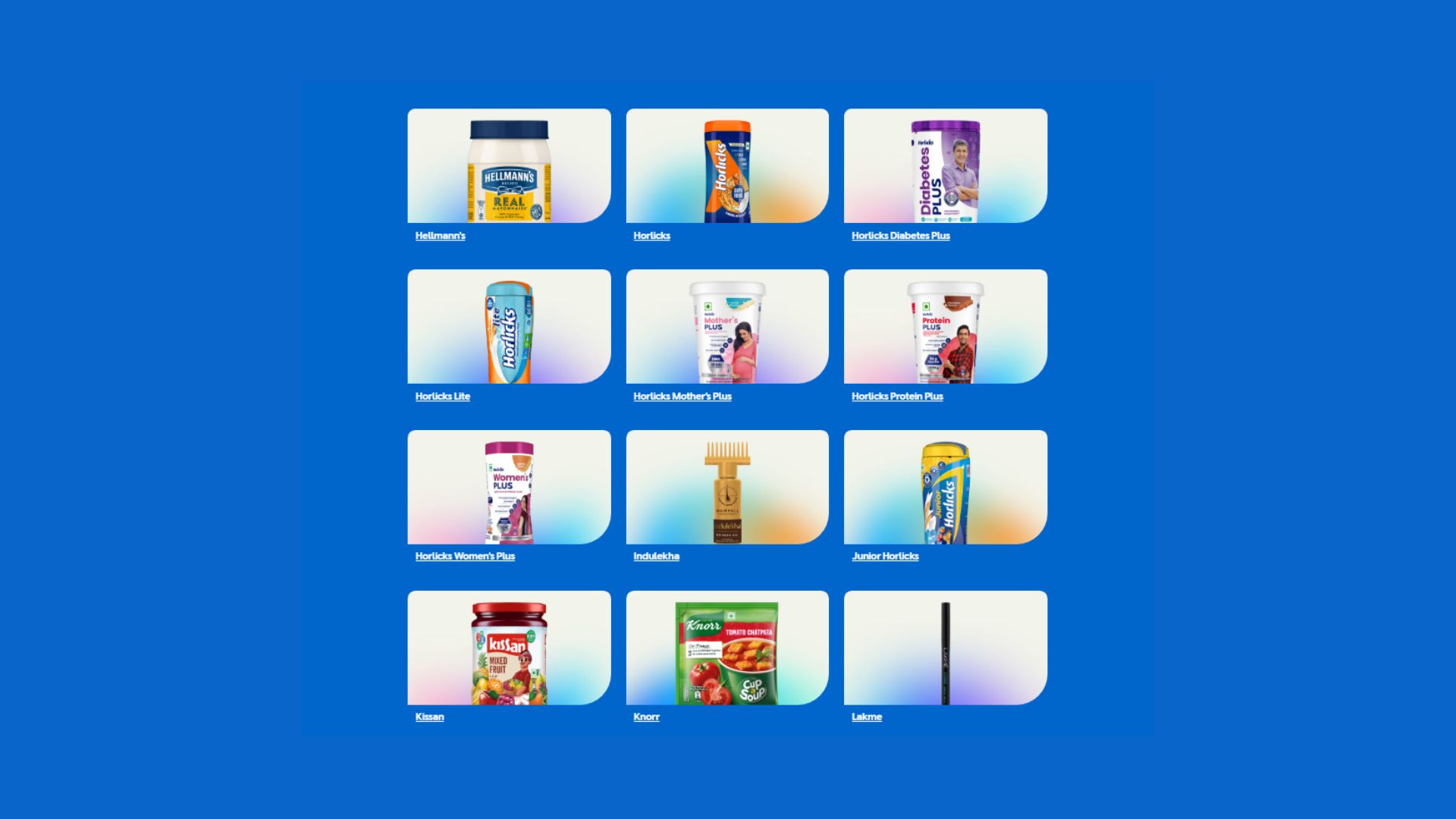
Why it earns the “Mom Stock” label: HUL’s distribution network is arguably its greatest moat. It ensures that even in Tier-3 towns and rural India, a mother can find the brands she has trusted for decades. The company’s Lifestyle Nutrition segment – anchored by Horlicks and Boost – delivered high-single-digit growth in late 2025, reflecting sustained demand for family nutrition products.
Also Read – Is NSE a Government Company? – The Surprising Truth Behind India’s Biggest IPO Hype
2. Nestlé India – The Kitchen Governor
From the two-minute Maggi noodles that rescue a hectic weeknight dinner to Cerelac for infants, Nestlé is the silent partner in millions of Indian kitchens. The company dominates two of the most loyalty-driven segments in consumer goods: infant nutrition and convenience food.
Why it earns the “Mom Stock” label: Once a mother finds a formula, a cereal, or a quick-meal brand that her family accepts, switching costs are extraordinarily high – particularly in the infant segment where nutritional trust is non-negotiable. This brand stickiness is reflected in Nestlé India’s consistently high Return on Equity, which has historically remained above 70%, among the strongest in Indian FMCG.
3. Titan Company – The Celebration Specialist
Whether gifting herself a piece of jewellery or buying a smartwatch for her teenager from Fastrack, Titan is a brand that Indian mothers return to repeatedly. Through Tanishq, Titan captures a dominant share of the Indian wedding and festive jewellery market – purchase decisions that are overwhelmingly influenced or made by women.
Why it earns the “Mom Stock” label: Titan’s strategic diversification into the women’s ethnic wear category through Taneira – its saree and kurta brand — reflects a deliberate bet on the modern Indian woman’s lifestyle. Taneira has achieved a CAGR of approximately 65% over the past three years and is targeting over 125 stores by FY27, with the brand expanding from a 2% to an 8–10% market share ambition in the organised ethnic wear segment.
Beyond jewellery, Titan is also the world’s fifth-largest watch manufacturer and India’s largest branded jewellery maker by value – with more than 80% of total revenue coming from the jewellery segment.
4. Honasa Consumer (Mamaearth) – The New-Age “Conscious” Mom
The rise of the informed, label-reading mother has propelled Mamaearth to the forefront of India’s beauty and personal care (BPC) market. These mothers scrutinise ingredient lists for toxins, parabens, and sulphates — and they expect brands to be honest with them.
Why it earns the “Mom Stock” label: As India’s largest digital-first BPC company by revenue in FY24, Honasa has captured the millennial and Gen Z mother who shops on her phone, reads reviews before buying, and values sustainability. The company has since expanded well beyond Mamaearth into brands like The Derma Co., Aqualogica, and BBlunt — building a portfolio across skincare, haircare, and salon services.
5. BrainBees Solutions (FirstCry) – The Parenting Partner
FirstCry is often the first app a new mother downloads. As India’s largest multi-channel retail platform for mothers, babies, and children, it tracks a family’s journey from pregnancy through the primary school years — building a relationship that spans nearly a decade of purchases.
Why it earns the “Mom Stock” label: FirstCry is an ecosystem, not simply a store. By offering everything from diapers and formula to school supplies and children’s apparel — across both online and offline channels — it achieves a customer lifetime value that few Indian retailers can match. The platform’s data on parenting purchase behaviour is itself a significant strategic asset.
6. Trent Ltd (Zudio & Westside) – The Family Fashionista
Owned by the Tata Group, Trent has mastered the art of “value fashion” at scale. Mothers frequently lead family weekend trips to Zudio or Westside, balancing household budgets while keeping the entire family looking current.
Why it earns the “Mom Stock” label: Trent’s vertically integrated supply chain allows it to deliver high-fashion aesthetics at price points that resonate deeply with budget-conscious Indian families. Zudio, in particular, has become a phenomenon in Tier-1 and Tier-2 cities — driven by rapid store additions and sharp visual merchandising that punches well above its price.
7. Apollo Hospitals – The Family Guardian
When a child falls ill, a parent needs a procedure, or an elderly grandparent requires a specialist, the mother is almost always the primary caregiver coordinating the response. Apollo’s integrated healthcare network — hospitals, diagnostics, and its ubiquitous Apollo Pharmacy retail chain — positions it squarely at the centre of India’s family health economy.
Why it earns the “Mom Stock” label: Healthcare is the definition of a non-discretionary expense. Indian mothers place an exceptionally high premium on brand trust when it comes to their family’s health — and Apollo, as one of India’s oldest and most recognisable private healthcare brands, benefits enormously from that trust premium.
8. Varun Beverages (VBL) – The Occasion Booster
As the largest franchisee of PepsiCo in the world outside the United States, VBL profits every time a mother stocks up on Tropicana juices for her child’s lunchbox or picks up a case of Aquafina for a school picnic. The company bottles and distributes over 90% of PepsiCo’s beverage volume in India — a position of remarkable structural strength.
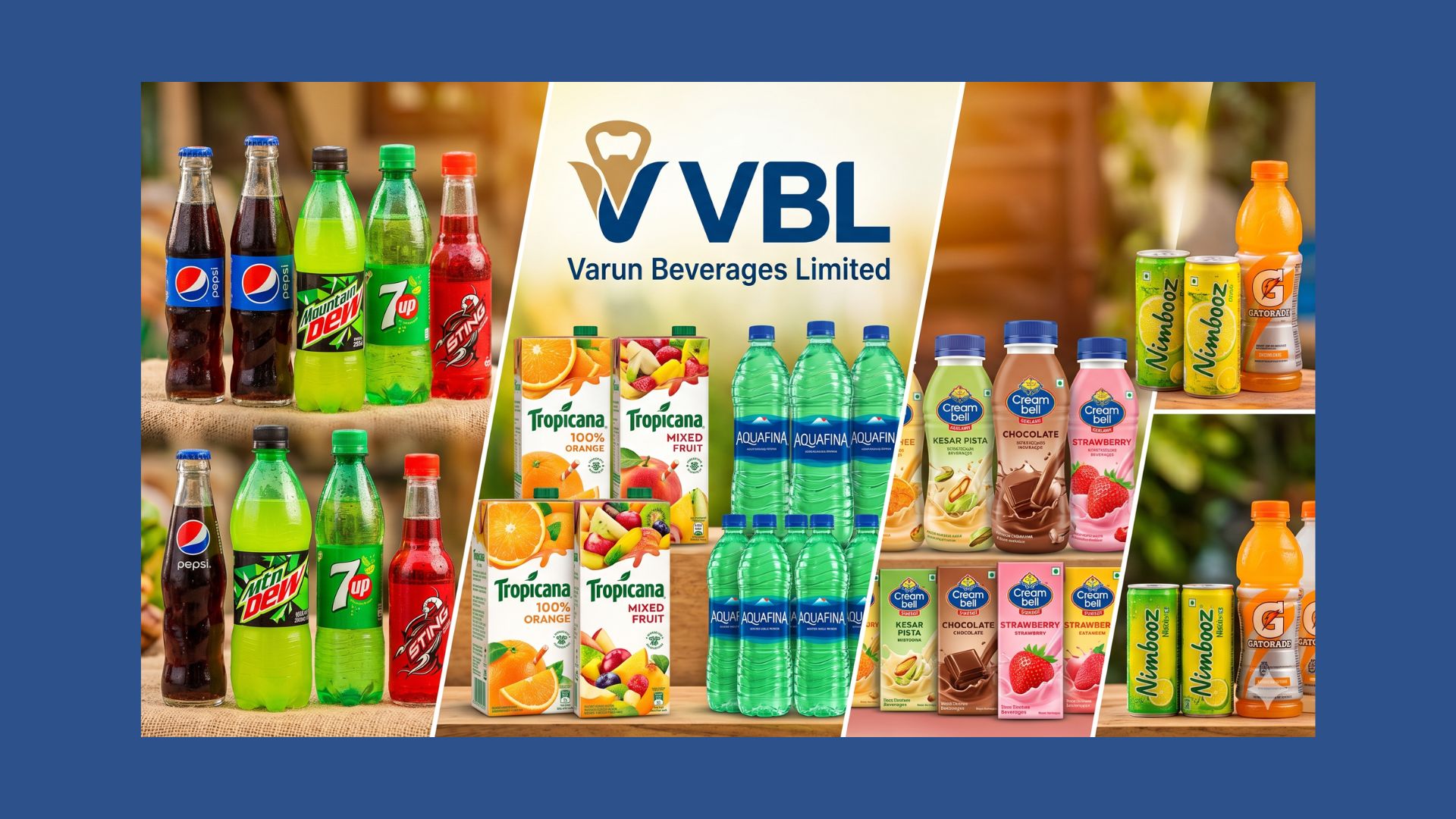
Why it earns the “Mom Stock” label: VBL’s portfolio is steadily evolving. While carbonated soft drinks remain the core (~75% of volume), the company has made tangible moves into healthier beverage categories — juices, hydration drinks, and dairy-based beverages — aligning itself with the preferences of health-aware modern mothers. CreamBell dairy beverages and Tropicana’s fruit juice range are particularly relevant here.
The “Mom-Index” Philosophy
In India, the “Mom-Index” is particularly powerful for three structural reasons.
Brand loyalty runs deep. Once a mother trusts a brand for her child – whether it is a nutrition drink, a pharmacy, or a diaper brand – the switching cost is both emotional and practical. These companies benefit from repeat purchase cycles that most businesses can only dream of.
Recession resistance. Even during periods of high inflation, the everyday decisions that mothers make – buying milk, soap, medicines, and basic clothing – are among the last expenditures to be cut. These companies have demonstrated resilience across multiple economic cycles in India.
The working woman tailwind. As more Indian women enter the formal workforce, their purchasing power is rising alongside their demand for convenience-oriented products and trusted brands. This structural shift is accelerating in 2026 and is likely to compound for the next decade.
This article is written for informational purposes only. Do not consider it as any kind of investment or trading advice. Investing money in the stock market carries risk, so before making any financial decision, always consult a professional advisor. The author or platform will not be responsible for any profit or loss. This platform, in compliance with the Right to Freedom of Speech and Expression granted under Article 19(1)(a) of the Constitution of India, only functions to further share publicly available company news and filings. Full care has been taken for accuracy, but complete accuracy cannot be guaranteed. For credibility, do make sure to check the original documents issued by the company, the link to which has been provided in the article.

With over 3 years of experience in financial markets, we focus on simplifying global and Indian markets through clear, practical insights. Our expertise also extends to the evolving landscape of digital finance, including blockchain, stablecoins, and decentralized finance (DeFi).